
Legends of Labor
Hall of Fame
Menu
Legends of Labor
Hall of Fame
Bio details
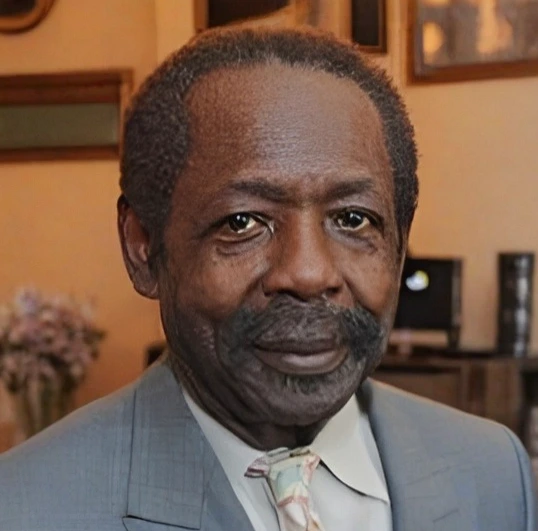
Henry Nicholas
President, District 1199C — National Union of Hospital and Health Care Employees (1974–2019)
A Legendary Labor Leader, Civil Rights Champion, and Tireless Advocate for Health Care Workers
Henry Nicholas was a legendary American labor leader, civil rights champion, and dedicated advocate for the dignity, equality, and economic security of working men and women. As President of District 1199C for 45 years, from 1974 to 2019, he helped transform the lives of thousands of hospital and health care workers throughout Philadelphia, the Delaware Valley, and beyond.
Born in Fayette, Mississippi, in 1936, Henry Nicholas rose from humble beginnings to become one of the most influential figures in the health care labor movement. After moving to New York City, he graduated from Robert Louis Stevenson High School, pursued studies at the New York Institute of Criminology and Brooklyn Polytechnic University, and proudly served his country in the United States Navy as an aviation mechanic.
His journey into organized labor began in 1957 when he became a health care worker at Mount Sinai Hospital in Manhattan. Witnessing the challenges facing hospital employees, he became determined to organize workers, improve working conditions, and secure the respect and representation they deserved.
Throughout his remarkable career, Henry Nicholas demonstrated an unwavering commitment to workers’ rights, civil rights, education, political participation, and the belief that every working family deserves the opportunity to achieve a better life.
Proudest Accomplishments and Career Milestones
Among the many accomplishments that defined Henry Nicholas’s extraordinary life and career were:
- Becoming a Health Care Worker and Union Organizer: Beginning his career at Mount Sinai Hospital in 1957 and helping organize fellow hospital workers into Local 1199 of the Drug and Hospital Employees Union.
- Helping Lead the Historic 1959 Hospital Strike: Playing a key role in the major New York City hospital strike that helped secure union contracts for thousands of hospital employees and advanced collective bargaining rights throughout the health care industry.
- Advancing Through Union Leadership: Serving as a volunteer rank-and-file organizer from 1959 to 1961, becoming a full-time organizer in 1961, Director of Organization for New York in 1964, and Assistant Director of the 1199 National Organizing Committee in 1969.
- Leading National Health Care Organizing Campaigns: Spearheading hospital organizing efforts throughout Pittsburgh, Ohio, Detroit, and other communities, expanding union representation and strengthening the national health care labor movement.
- Leading the Historic Charleston Hospital Strike: Directing the 113-day hospital strike in Charleston, South Carolina, a landmark labor and civil rights struggle that attracted national attention and support from prominent civil rights leaders, including Ralph David Abernathy and Andrew Young.
- Working Alongside Dr. Martin Luther King Jr.: Supporting Dr. King's efforts to advance economic and racial justice, including escorting him at a 1968 hospital workers' rally and helping coordinate health care workers' participation in the Memphis Silent March following Dr. King's assassination.
- Helping Establish a National Health Care Union: Contributing to the formation of the National Union of Hospital and Health Care Employees in 1973 and being elected its first Secretary-Treasurer.
- Organizing Philadelphia Health Care Workers: Arriving in Philadelphia in 1973 and helping secure collective bargaining agreements covering more than 5,000 employees at major health care institutions within approximately two years.
- Advocating for Public Employee Collective Bargaining Rights: Playing an important role in efforts supporting Pennsylvania's Public Employee Relations Act, commonly known as Act 195, and the expansion of collective bargaining opportunities for public-sector workers.
- Becoming President of District 1199C: Assuming the presidency upon the District's official chartering in April 1974 and leading the organization for an extraordinary 45 years.
- Expanding District 1199C Throughout the Delaware Valley: Guiding the growth of the union's jurisdiction across the Philadelphia metropolitan region and five counties in southern New Jersey, with the District growing to represent more than 15,000 hospital and health care workers at approximately 110 institutions.
- Championing Health Care Worker Education and Training: Helping establish a nationally recognized training and upgrading program that provided health care workers with opportunities to improve their skills, advance their careers, and achieve greater economic security.
- Establishing Member Legal Services: Supporting the development of the District 1199C Legal Services Plan, providing valuable legal assistance to union members and their families.
- Advancing Labor's Political and Civic Interests: Mobilizing union members and community organizations in support of labor-friendly candidates, civil rights initiatives, and policies benefiting working families.
- Encouraging Voter Participation: Consistently emphasizing the importance of voter registration, civic engagement, and political participation as essential tools for protecting workers' rights and strengthening communities.
A Lifetime of Civil Rights Advocacy and Community Service
Beyond his extraordinary contributions to organized labor, Henry Nicholas was a passionate advocate for civil rights, racial equality, educational opportunities, and economic justice.
His leadership emerged during a defining period in American history when the struggles for workers’ rights and civil rights were deeply connected.
In 1968, Henry stood alongside Dr. Martin Luther King Jr. in support of hospital workers seeking fair wages, dignity, and equality. His participation in these efforts reflected his belief that economic opportunity and civil rights were inseparable.
Following Dr. King’s assassination, Henry continued to honor his legacy by helping organize health care workers to participate in the Memphis Silent March, demonstrating solidarity with the broader civil rights movement.
Throughout his career, he worked to unite workers and communities across racial, economic, and social lines, believing that collective action could create lasting opportunities for generations of working families.
His commitment to political and civic engagement was equally significant.
During Philadelphia’s historic 1983 and 1987 mayoral elections, he helped mobilize union and community support for Wilson Goode, the city’s first Black mayor. He later supported Chaka Fattah’s successful 1994 Democratic congressional primary campaign and participated in numerous labor, civil rights, and economic justice initiatives.
He also remained active in political advocacy through District 1199C’s support for President Barack Obama’s 2012 re-election campaign and Larry Krasner’s Philadelphia district attorney campaign.
For Henry Nicholas, political participation was not simply about elections. It was about ensuring that working people had a voice in the decisions affecting their jobs, families, neighborhoods, and futures.
His commitment to education and workforce development also created lasting opportunities for health care workers seeking career advancement and greater financial stability.
A Lasting Legacy of Leadership, Equality, and Economic Justice
Henry Nicholas’s legacy is defined by more than six decades of extraordinary service to organized labor, civil rights, and working families.
From his earliest days organizing hospital workers in New York City to his 45 years as President of District 1199C, he helped shape the modern health care labor movement and improve the lives of thousands of workers throughout the Delaware Valley and across the nation.
His leadership helped establish stronger collective bargaining rights, expand union representation, create educational opportunities, and provide important benefits and services to generations of health care workers.
Equally important, he helped unite the causes of labor rights and civil rights, demonstrating that the fight for workplace dignity was inseparable from the broader struggle for fairness, opportunity, and equality.
The institutions he helped strengthen, the workers he represented, and the opportunities he helped create remain enduring testaments to his life’s work.
Henry Nicholas will forever be remembered as an extraordinary labor leader, a proud United States Navy veteran, a courageous civil rights champion, a tireless advocate for working families, and a true Legend of Labor.